


Sponsor
Outriggers, Ropes, and Rams: Which Kobelco Crane Parts Demand a Daily Look
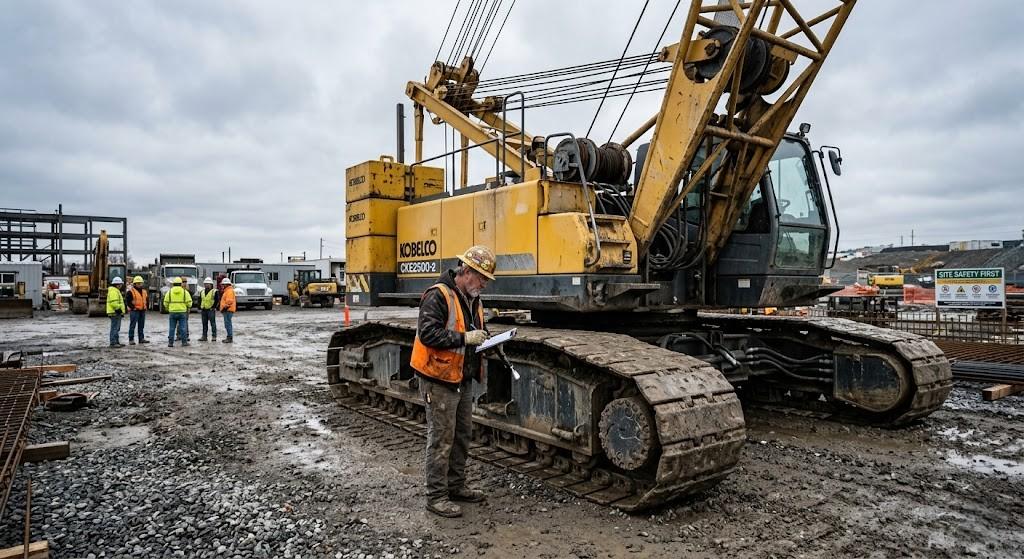
The crane is sitting level. The load chart is posted. Your hand is on the door handle. It would be so easy to climb in, fire up, and get to work without that boring walkaround. But the walkaround isn’t boring—it’s the difference between a paycheck and a prayer.
Cranes eat themselves slowly. Every lift puts stress on steel, rubber, and seals. A tiny leak today is a geyser tomorrow. A small crack now is a snap later. Catching those problems before you put a load in the air is the whole point of pre-lift inspection.
If you run a Kobelco, you’ve got a machine that can take years of abuse. But abuse leaves marks. Before any load leaves the ground, you need to check these specific Kobelco crane parts every single time you operate.
Start at the Base: Outriggers and Pads
Outriggers are your anchor. If they move, you move—and not in a good way. The ground might look solid, but your outriggers need to be solid too.
Start with the beams. Walk alongside each one and look at the welds. Any crack, no matter how fine, is a problem. Then inspect the chrome rods. Scratches and rust pits will shred hydraulic seals, leading to a slow drop in pressure right when you need it most.
Now check the pads and floats. Cracks, bends, or delamination are all red flags. A pad that looks okay from a distance might have a hidden fracture that will explode under load. Also, check every pin and keeper. Loose hardware has caused more tip-overs than most operators want to admit.
The Lifeline: Wire Ropes and Sheaves
Wire rope is what separates a controlled lift from a falling object. You cannot guess about wire rope—you have to know. The standards for replacement are very specific, but you have to see the signs first.
Run your eyes slowly along the entire hoist rope. You’re looking for broken wires sticking up like little needles. A few broken strands might not seem like much, but they often hide internal fatigue that you can’t see. Also look for kinks, birdcaging, or the core pushing out. See any of these? Park the crane. No load is worth a dropped hook. These Kobelco crane parts are literally holding your future in their strands.
While you’re up there, spin each sheave. They should turn easily and quietly. A sheave that wobbles or grinds has a bad bearing. A seized sheave will eat through a wire rope in just a few lifts. And don’t ignore the rope guards—you never want the cable jumping the groove and jamming against the block.
Hydraulic Health: Hoses, Fittings, and Cylinders
Hydraulics are what make your Kobelco a crane instead of a big paperweight. Without clean oil and tight seals, you’re not lifting anything. A blown hose doesn’t just stop work—it sprays hot oil that can burn skin and start fires.
Run your hand along the boom lift cylinder and the hoist cylinders. Feel for any oil film. Look for wet spots around the rods and near the gland nuts. A small weep might not drip on the ground, but it attracts dirt, and dirt destroys seals fast. A weeping cylinder is begging for attention before it blows completely.
Trace every hydraulic hose from the pump all the way up the boom. Focus on bends and anywhere the hose rubs against metal or another hose. Abrasion is the fastest way to kill a hydraulic hose. If you see steel braid showing through the rubber, replace that hose immediately. Also give the fittings a quick look. You don’t need a torque wrench, but look for fittings that sit crooked or have fresh oil seeping from the threads. Pay attention to these Kobelco crane parts—hydraulic failures are sudden and violent.
Control and Braking Systems
Lifting a load is one thing. Holding it there is another. Your brakes and controls are what keep a load from becoming a runaway disaster. Don’t assume they’re fine—prove they are.
Swing brakes and hoist brakes must hold firm under maximum load. Test the hoist brake by lifting a load a few inches off the ground and holding it there. Does it creep down? If the load drifts, the brake needs adjustment or new friction discs. Do the same for the swing. Lock the swing brake and see if the cab rotates on its own in a light breeze.
Inside the cab, move the joysticks and pedals through their full range. They should move smoothly with no sticking or binding. A sticky control valve causes jerky movements—the last thing you want when placing a load next to expensive equipment. And never skip the anti-two-block test. This device stops the hoist if the hook block gets too close to the boom tip. Pull the weight up and make sure the hoist actually stops. If it fails, you’ll drive the block straight into the sheave.
Structural Integrity: The Boom and Jib
The boom is the most visible part of your crane, but visibility isn’t the same as inspection. You need to get up close.
For lattice boom cranes, check every pin and keeper. A loose pin will slowly elongate the connection holes, creating dangerous slop. Inspect the lacings for bends or cracks. A bent lacing means that boom section is compromised. For hydraulic telescopic booms, extend the boom slightly and inspect the wear pads. These pads keep sections aligned and prevent metal-on-metal contact. When they wear down to the bolt heads, replace them immediately to avoid damaging the boom sections.
For both types, examine the welds on the jib and the boom tip. Cracks in structural welds rarely appear overnight, but once they start, they grow fast under heavy stress. Spot a crack? Stop. Call an inspector. Get it welded and tested before you lift another pound. These Kobelco crane parts—the boom and jib—are your crane’s skeleton. Treat them that way.
The Final Word on Safety
Pre-lift inspections aren’t just a checklist. They are the ten minutes you take to make sure you and your crew go home safe. Knowing your machine inside and out separates a professional operator from a dangerous one. When you inspect these Kobelco crane parts before every single lift—the outriggers, wire rope, hydraulics, brakes, and boom structure—you catch small problems before they become catastrophic failures. Take the extra time. Walk the machine. Trust your instincts. The load will still be there tomorrow. Your safety won’t wait.
next. Rewrite title
We need to produce version 11. The user asks "next. Rewrite title" meaning produce another distinct version with a new title. I need to ensure the key phrase "Kobelco crane parts" appears up to 6 times, distributed naturally. Keep structure, 5 main points, length 800-1100 words. Provide one complete article. I'll write a new title.
Version 11
From Cab to Ground: The Kobelco Crane Parts You Ignore at Your Own Risk
The load is hanging. The wind is calm. Your crew is looking up at you. It’s tempting to assume everything is fine because the crane ran yesterday. But yesterday’s inspection doesn’t cover today’s leaks, cracks, or loose pins. Every shift brings new wear.
Cranes don’t fail without warning—they fail when warnings are ignored. A small drip from a fitting, a single broken wire, a hairline crack in a weld. Any of these can turn a routine lift into a catastrophe if you don’t catch them before you start.
If you run a Kobelco, you’re sitting in a machine that’s earned its reputation for toughness. But toughness isn’t magic. Before you put any load in the air, you must walk around and inspect these specific Kobelco crane parts every single time you operate.
Start at the Base: Outriggers and Pads
Outriggers are the foundation of every safe lift. If they shift, crack, or sink, the rest of the crane follows. You don’t need a degree in engineering to spot trouble—you just need to look.
Walk the full length of each outrigger beam. Run your eyes over every weld. Look for tiny cracks that haven’t opened up yet. Then check the chrome rods. Any deep scratches, rust, or pitting will chew through a hydraulic seal and cause a leak when you’re under full load.
Now inspect the outrigger pads and floats. Cracks, bends, or layers peeling apart are all reasons to stop. A pad that looks solid from a distance might have a hidden fracture that will shatter under weight. Also, make sure every pin and keeper is secure. Loose hardware has a way of turning a steady crane into a tipping hazard.
The Lifeline: Wire Ropes and Sheaves
Wire rope is the thread that connects your crane to the load. When it fails, nothing holds. The rules for rope replacement are very clear, but you need to spot the early signs before you hit the limit.
Scan the entire hoist rope slowly. You’re hunting for broken wires. A few snapped strands might look minor, but they often hide internal fatigue. Also watch for kinks, birdcaging, or the core pushing through the outer layers. See any of these? Take the crane out of service. No load is worth a dropped hook. These Kobelco crane parts are your primary lifeline—don’t shortchange them.
While you’re inspecting the rope, spin each sheave by hand. They should turn smoothly with no noise. A sheave that wobbles or grinds has a bad bearing. A seized sheave will shred a wire rope in no time. And don’t forget the rope guards—you never want the cable jumping the groove and jamming against the block.
Hydraulic Health: Hoses, Fittings, and Cylinders
Hydraulics give your Kobelco its strength and precision. Without them, you’re just sitting in a very expensive cab. A blown hose doesn’t just stop work—it sprays hot oil under high pressure, creating burn and fire risks.
Run your hand along the boom lift cylinder and the hoist cylinders. Feel for any oil film. Look for wet spots around the rods and near the gland nuts. A small weep might not seem urgent, but it attracts dirt, and dirt destroys seals fast. A weeping cylinder is telling you it needs attention before it fails completely.
Trace every hydraulic hose from the pump all the way up the boom. Focus on bends and points where hoses rub against metal or each other. Abrasion is the number one killer of hydraulic hoses. If you see steel braid showing through the rubber, replace that hose immediately. Also inspect the fittings visually. Look for fittings that sit crooked or have fresh oil seeping from the threads. When you check these Kobelco crane parts, remember that a small leak today is a geyser tomorrow.
Control and Braking Systems
Lifting a load is only half the job. You also have to control it, hold it steady, and set it down gently. That’s where your braking systems and controls earn their keep.
Swing brakes and hoist brakes must lock up tight under maximum load. Test the hoist brake by lifting a test load a few inches off the ground and holding it. Does the load sink? If it drifts downward, the brake needs adjustment or new friction discs. Run the same test for the swing. Lock the swing brake and see if the cab rotates on its own in a breeze.
Inside the cab, move the joysticks and pedals through their full range. They should travel smoothly with no sticking or binding. A sticky control valve creates jerky movements—exactly what you don’t want when placing a load next to expensive equipment. And never ignore the anti-two-block device. This critical switch stops the hoist if the hook block gets too close to the boom tip. Make sure the pendant weight hangs freely and that the switch actually cuts power when you lift it. If that device fails, you’ll drive the block straight into the sheave. These Kobelco crane parts—the brakes and anti-two-block—are your last line of defense.
Structural Integrity: The Boom and Jib
The boom is your crane’s backbone. A casual look from the ground isn’t enough. You need to get up close and personal.
For lattice boom cranes, check every single pin and keeper. A loose pin will gradually elongate the connection holes, creating dangerous slack in the boom. Inspect the lacings for any bends or cracks. A bent lacing means that boom section is no longer structurally sound. For hydraulic telescopic booms, extend the boom slightly and examine the wear pads. These pads keep the sections aligned and prevent metal-on-metal grinding. When the pads wear down to the bolt heads, replace them immediately to avoid damaging the boom sections.
Regardless of boom type, scrutinize the welds on the jib and the boom tip. Structural cracks don’t appear out of nowhere, but once they start, they grow fast under heavy stress. If you find a crack, stop work. Call a certified inspector. Get the weld repaired and tested before you even think about lifting again. The boom and jib are the most visible Kobelco crane parts on your machine—and they’re also the most critical.
The Final Word on Safety
Pre-lift inspections aren’t a chore. They are the few minutes you invest to make sure you and your crew go home safe. Knowing your machine inside and out separates a professional operator from a dangerous one. When you inspect these Kobelco crane parts before every single lift—the outriggers, wire rope, hydraulics, brakes, and boom structure—you catch small problems before they become catastrophic failures. Take the extra ten minutes. Walk the machine. Trust your gut. That load can wait. Your safety cannot.
Sponsor
Categorieën
- Core Faith & Theology
- Christian Lifestyle & Practical Living
- Community & Church Life
- Creative & Inspirational Content
- Cultural Engagement & Outreach
- Practical Ministry & Resources
- Niche & Specialized Blogs
- Seasonal & Themed Content
- Interactive & Community-Driven Content
- Humor & Relatable Content
- Other
Read More
The Co2 Supercritical Dyeing System Market represents a shift toward waterless textile processing. By using carbon dioxide in a supercritical state as a solvent, this technology eliminates the need for large volumes of water and reduces the use of auxiliary chemicals. The result is a cleaner process with shorter cycle times and improved dye uptake, making it attractive to...

According to the latest report published by Data Bridge Market Research, the Smart Water Cooler Market CAGR Value The smart water cooler market is expected to witness market growth at a rate of 7.30% in the forecast period of 2022 to 2029 Smart Water Cooler Market report contains most-detailed market segmentation, systematic analysis of major market players, trends in...
The reinforced thermoplastic pipes market is experiencing significant growth as industries increasingly seek lightweight, corrosion resistant, and cost effective alternatives to conventional metal piping systems. Reinforced thermoplastic pipes (RTP) are widely used across oil and gas, water management, mining, industrial processing, and infrastructure sectors due to their exceptional...

According to the latest report published by Data Bridge Market Research, the Feed Amino Acids Market CAGR Value The global Feed Amino Acids Market size was valued at USD 32.21 billion in 2024 and is expected to reach USD 47.22 billion by 2032, at a CAGR of 4.90% during the forecast period. This Feed Amino Acids Market research report is prepared with detailed statistics and...
According to the latest report published by Data Bridge Market Research, the Preterm Birth and Premature Rupture of Membranes (PROM) Testing Market CAGR Value Data Bridge Market Research analyses that the preterm birth and premature rupture of membranes (PROM) testing market to growing at a CAGR of 4.20% in the forecast period of 2022-2029. An influential Preterm Birth...
