


Sponsorluk
CDG UK: Supporting Families with Congenital Disorders of Glycosylation
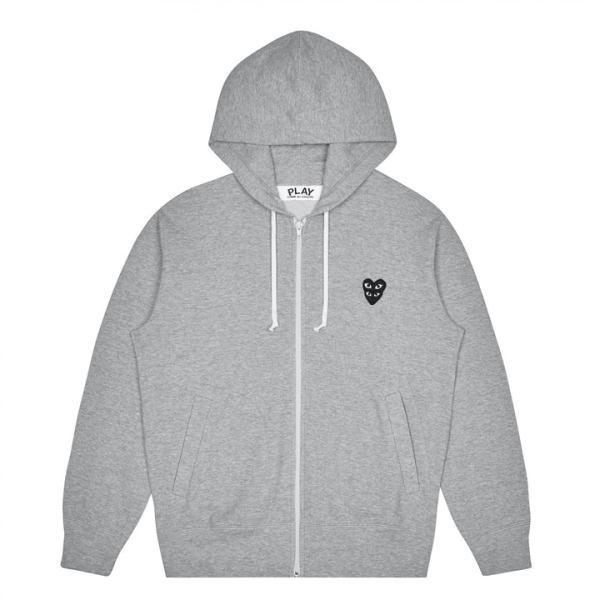
The abbreviation CDG carries vastly different meanings in the United Kingdom depending on the context. For a medical researcher or a parent of a child with a rare genetic condition, CDG represents Congenital Disorders of Glycosylation, supported by the registered charity CDG UK. For a logistics manager or HGV (Heavy Goods Vehicle) driver, it stands for the Carriage of Dangerous Goods, a strict regulatory framework managed by the Health and Safety Executive (HSE). Meanwhile, for a high-street fashion enthusiast, CDG is the ubiquitous shorthand for Comme des Garçons, the legendary avant-garde Japanese fashion house with a massive retail presence in London.
This comprehensive article explores the three primary pillars of CDG in the UK: its medical and charitable impact, its legal and logistical requirements, and its cultural footprint in British fashion.
1. CDG UK: Supporting Families with Congenital Disorders of Glycosylation
At its most profound human level in the UK, CDG refers to a group of incredibly rare, inherited metabolic diseases known as Congenital Disorders of Glycosylation.
What is CDG?
Glycosylation is the complex biochemical process by which the human body attaches sugar chains (glycans) to proteins and lipids. This step is completely vital for normal cellular function, organ development, and tissue stability. When a genetic mutation disrupts this pathway, it results in CDG.
Because sugar modifications affect nearly every system in the body, the symptoms of CDG can be diverse and severe, often including:
-
Profound developmental delays and intellectual disabilities
-
Neurological challenges, such as seizures and cerebellar dysfunction (coordination issues)
-
Failure to thrive in infancy
-
Organ complications affecting the liver, heart, and digestive system
-
Coagulation (blood clotting) abnormalities
The Role of the CDG UK Charity
As an umbrella term covering over 100 distinct genetic subtypes, CDG is exceptionally rare. Because there are relatively few children diagnosed within the UK, families often face severe isolation, delayed diagnoses, and a lack of readily available treatments.
To combat this, CDG UK (Registered Charity No. 1191342) was established. Run largely by volunteers and parents of affected children, the charity focuses on three vital missions:
-
Patient & Family Support: Providing a dedicated support network, family grant eligibility, and private forums where parents can share their lived experiences navigating the NHS.
-
Medical Advocacy and Awareness: Creating informational packs for General Practitioners (GPs) and pediatricians to help accelerate early diagnosis, which is critical for specialized disease management.
-
Research Funding: Raising funds to fuel scientific clinical trials and biochemical research aimed at discovering targeted therapies or cures for various CDG subtypes.
2. The Carriage of Dangerous Goods (CDG): UK Transport Regulations
Switching fields entirely to British industry, logistics, and legal compliance, CDG stands for the Carriage of Dangerous Goods.
+------------------------------------------------------------------------+
|                      UK REGULATORY FRAMEWORK                           |
|                                                                        |
|  [CDG Regulations] ---> Enforced by the Health & Safety Executive (HSE)|
|         |                                                              |
|         +---> Governs safe transport of explosives, gases, chemicals   |
|         +---> Mandates strict packaging, labelling, and vehicle signs |
|         +---> Requires drivers to hold a valid ADR training certificate |
+------------------------------------------------------------------------+
The Legal Framework
The transport of hazardous materials by road or rail in Great Britain is governed strictly by The Carriage of Dangerous Goods and Use of Transportable Pressure Equipment Regulations. This framework aligns domestic UK law with international agreements, specifically the ADR (Accord européen relatif au transport international des marchandises Dangereuses par Route).
The regulations split dangerous goods into distinct hazard classes, including explosives (Class 1), gases (Class 2), flammable liquids (Class 3), and toxic or infectious substances (Class 6).
Compliance and Safety Duties
Managed and enforced heavily by the Health and Safety Executive (HSE) and the Department for Transport (DfT), the CDG framework places strict statutory obligations on everyone involved in the supply chain:
-
The Consignor: Must correctly identify, classify, and pack the hazardous substances into certified containers.
-
The Carrier & Driver: The carrier must ensure the vehicle is structurally sound, properly equipped with safety gear, and clearly marked with orange placarding and hazard warning diamonds. Drivers must undergo specialized training to acquire an ADR Driver Training Certificate.
-
Dangerous Goods Safety Advisers (DGSAs): Any UK company that regularly processes, packs, or transports dangerous goods above certain threshold limits is legally required to appoint a certified DGSA to monitor compliance and prevent industrial transit incidents.
3. CDG in British Fashion: The Comme des Garçons Phenomenon
To the style-conscious citizens of London and beyond, CDG is synonymous with the rebellious, avant-garde luxury fashion label Comme des Garçons, founded by visionary Japanese designer Rei Kawakubo in 1969.
The London Connection
While rooted deeply in Tokyo and Paris, the UK holds a highly prestigious place in the brand's global empire. In 2004, Kawakubo created Dover Street Market (DSM) in Mayfair, London. DSM transformed British luxury retail by blending a high-concept contemporary art gallery environment with a multi-brand fashion boutique.
Sub-Brands and the Bug-Eyed Heart
Within the UK market, different tiers of CDG appeal to distinct demographics:
-
CDG (The Brand Line): A highly popular, logo-centric streetwear sub-brand that offers accessible coach jackets, hoodies, and graphic tees often sold in collaboration with iconic heritage outdoor brands like The North Face.
-
Comme des Garçons PLAY: Instantly recognizable across British cities due to its iconic, bug-eyed red heart logo designed by New York artist Filip Pagowski. Its collaborative sneaker line with Converse is a staple of UK streetwear.
-
Comme des Garçons Homme Plus & Shirt: The high-end menswear collections regularly sought out by fashion purists and featured prominently in the UK's top luxury retail spaces.
Conclusion
The acronym CDG serves as a fascinating case study in how three letters can hold massive weight across entirely disconnected sectors of British society. Whether it is a family finding solace through a metabolic illness support charity, a transport firm ensuring safe chemical transit across the UK motorway network, or a fashion student browsing avant-garde silhouettes in a London boutique, CDG remains an integral, multi-faceted fixture of the modern UK landscape.
Sponsorluk
Kategoriler
- Core Faith & Theology
- Christian Lifestyle & Practical Living
- Community & Church Life
- Creative & Inspirational Content
- Cultural Engagement & Outreach
- Practical Ministry & Resources
- Niche & Specialized Blogs
- Seasonal & Themed Content
- Interactive & Community-Driven Content
- Humor & Relatable Content
- Other
Read More
Commercial Air Brake Market Summary: According to the latest report published by Data Bridge Market Research, the Commercial Air Brake Market CAGR Value Data Bridge Market Research analyses that the commercial air brake market would exhibit a CAGR of 2.97% for the forecast period. This Commercial Air Brake Market research report is generated with a nice blend of industry...

Executive Summary Procurement Software Market: Share, Size & Strategic Insights CAGR Value The global procurement software market size was valued at USD 8.63 billion in 2024 and is expected to reach USD 18.31 billion by 2032, at a CAGR of 9.86% during the forecast period The Procurement Software report makes available a thoughtful overview of product...
Executive Summary Asia-Pacific Instant Noodles Market Research: Share and Size Intelligence CAGR Value The Asia-Pacific instant noodles market size was valued at USD 45.96 billion in 2024 and is expected to reach USD 71.08 billion by 2032, at a CAGR of 5.60% during the forecast period The scope of this Asia-Pacific Instant Noodles Market report takes account of in-depth insights of...
Radiation is a powerful enabler across industries—supporting medical imaging, industrial inspection, research, and energy production. But with that power comes responsibility. Organizations that rely on radiation must manage it safely, efficiently, and in full compliance with regulations. The challenge? Traditional safety approaches often slow operations, create complexity, and...

The report "Air Separation Plant Market by Process (Cryogenic, Non-cryogenic), Gas (Nitrogen, Oxygen, Argon), End-Use Industry (Iron & Steel, Oil & Gas, Chemical, Healthcare), and Region (North America, APAC, Europe, RoW) - Global Forecast to 2028", is expected to grow from USD 5.4 billion in 2023 to USD 6.8 billion by 2028, at a CAGR of 4.6%. Due to...

