Sponsored
Academic Paper Headlines: Writing Effective Titles for Research Success

An academic paper's title is often the first thing readers notice. Before exploring the abstract or downloading the full article, researchers use the headline to decide whether the study is relevant to their interests. Well-crafted academic paper headlines improve visibility, increase discoverability in academic databases, and clearly communicate the purpose of a study.
Whether you're preparing a journal article, conference paper, thesis, or dissertation, learning to write an effective academic headline is an important step toward successful scholarly communication.
What Are Academic Paper Headlines?
Academic paper headlines are the titles of scholarly publications. Their primary purpose is to describe the research clearly and accurately while helping readers understand the study's focus.
Unlike newspaper headlines, academic titles are designed to inform rather than entertain. They should provide enough detail for readers to quickly determine whether the paper matches their research interests.
Why Academic Paper Headlines Matter
Improve Search Engine Visibility
Most researchers use online databases and academic search engines to find relevant studies. Including important keywords in your title helps your paper appear in search results and reach a wider audience.
Attract the Right Readers
A descriptive title helps students, academics, and professionals identify research that matches their interests. Clear headlines encourage readers to continue to the abstract and full paper.
Support Higher Research Impact
A well-written title makes a paper easier to discover and reference. While citations depend on many factors, a clear and keyword-rich headline improves the likelihood that researchers will find your work.
Communicate Your Research Clearly
An informative title provides readers with an immediate understanding of the study's topic, making academic communication more efficient.
Characteristics of Strong Academic Paper Headlines
Be Clear
Readers should immediately understand what the paper is about.
Example:
- Weak: Education and Technology
- Strong: The Impact of Artificial Intelligence on Student Learning in Higher Education
The second title clearly identifies the subject and context.
Be Specific
Avoid overly broad titles. Include the research topic, population, method, or setting whenever appropriate.
Examples include:
- Machine Learning for Medical Image Analysis
- Climate Change Adaptation Among Coastal Communities
- Social Media Use and Mental Health in University Students
Specific titles help readers quickly determine relevance.
Include Relevant Keywords
Keywords improve discoverability in academic databases. Use terms that accurately reflect the focus of your research without forcing unnecessary repetition.
Keep It Concise
An effective headline communicates the main idea using as few words as necessary. Remove unnecessary phrases that do not add value.
Maintain Accuracy
Your title should reflect the actual content of the research. Avoid exaggerated claims or misleading wording that could create false expectations.
Types of Academic Paper Headlines
Descriptive Titles
These directly explain the research topic.
Example:
Artificial Intelligence Applications in Healthcare Diagnostics
Question Titles
Some studies use a research question as the headline.
Example:
Can Digital Learning Improve Student Performance?
Compound Titles
These combine a general topic with additional detail.
Example:
Renewable Energy Adoption: Factors Influencing Solar Power Investment in Urban Areas
Common Mistakes to Avoid
When creating academic paper headlines, avoid:
- Titles that are too vague.
- Excessively long headlines.
- Unnecessary technical jargon.
- Unexplained abbreviations.
- Clickbait or exaggerated claims.
A title should always prioritize clarity and precision.
AI and Academic Paper Headlines
Artificial intelligence is increasingly used to assist researchers with title generation. AI tools can suggest wording improvements, optimize keyword placement, and generate multiple headline options.
However, AI-generated titles should always be reviewed carefully. Researchers should ensure the headline accurately represents the study and follows the formatting requirements of the target journal or conference.
AI works best as a writing assistant rather than a replacement for academic expertise.
Best Practices for Writing Academic Headlines
To create effective academic paper headlines:
- Identify the main contribution of your research.
- Use one or two important keywords naturally.
- Keep the wording simple and informative.
- Revise the title after completing the paper.
- Ask colleagues or supervisors for feedback.
- Follow the title guidelines of your target publication.
These practices improve readability and make research easier to discover.
Conclusion
Academic paper headlines play a crucial role in scholarly publishing. A clear, accurate, and keyword-rich title helps researchers communicate their work, improve search visibility, and attract the right audience.
Whether you're writing a journal article, thesis, dissertation, or conference paper, investing time in creating a strong headline is worthwhile. By focusing on clarity, specificity, and relevance, you can write academic paper headlines that enhance the impact and accessibility of your research.
Sponsored
Categories
- Core Faith & Theology
- Christian Lifestyle & Practical Living
- Community & Church Life
- Creative & Inspirational Content
- Cultural Engagement & Outreach
- Practical Ministry & Resources
- Niche & Specialized Blogs
- Seasonal & Themed Content
- Interactive & Community-Driven Content
- Humor & Relatable Content
- Other
Read More
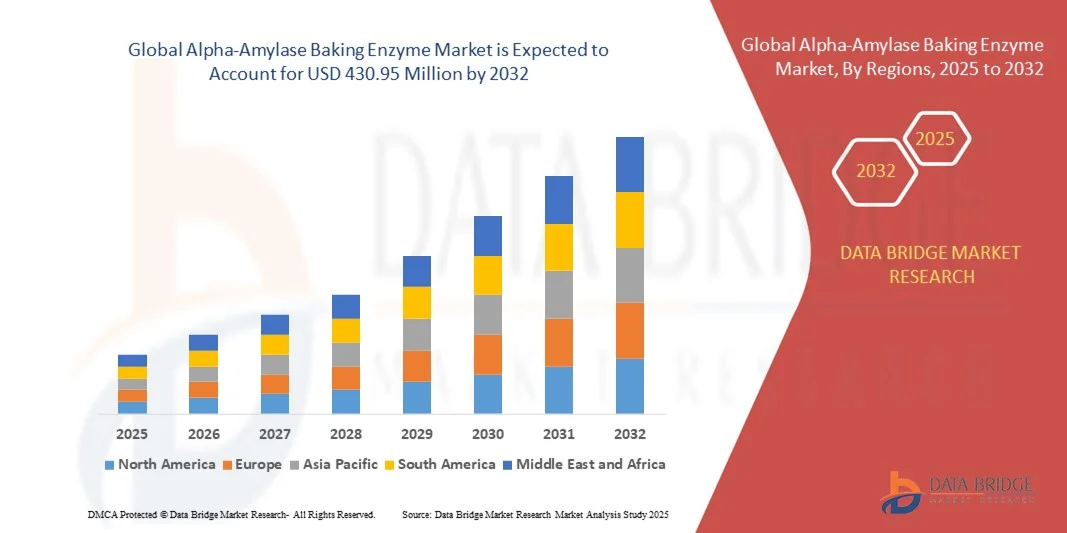
"According to the latest report published by Data Bridge Market Research, the Alpha-Amylase Baking Enzyme Market The global alpha-amylase baking enzyme market size was valued at USD 329.81 million in 2024 and is expected to reach USD 430.95 million by 2032, at a CAGR of 3.40% during the forecast period The reliable Alpha-Amylase Baking Enzyme...
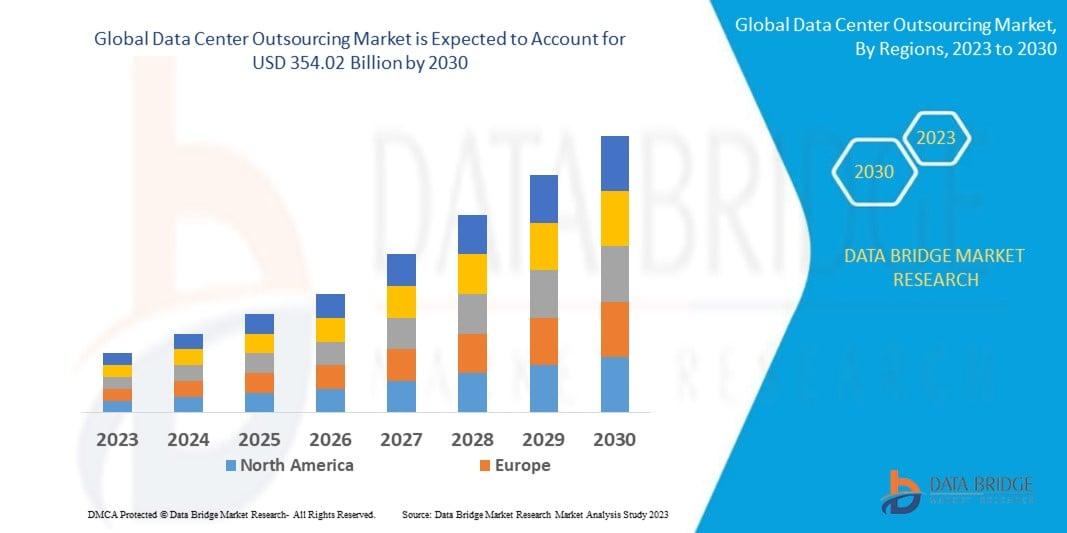
"According to the latest report published by Data Bridge Market Research, the Data Center Outsourcing Market Data Bridge Market Research analyses that the global data center outsourcing market, which was USD 240.99 Billion in 2022, would rocket up to USD 354.02 Billion by 2030 and is expected to undergo a CAGR of 5.05% during the forecast period. For generating the Data Center...
Executive Summary Audio Interface Market: Growth Trends and Share Breakdown CAGR Value The global Audio Interface Market size was valued at USD 224.06 million in 2025 and is expected to reach USD 357.13 million by 2033, at a CAGR of 6.00% during the forecast period. This global Audio Interface Market research report conducts a methodical and comprehensive market research study that puts...

According to the latest report published by Data Bridge Market Research, the Food Starter Culture Market CAGR Value The global food starter culture market size was valued at USD 1.74 billion in 2025 and is expected to reach USD 3.28 billion by 2033, at a CAGR of 8.25% during the forecast period Food Starter Culture Market report has...
The tax incentive may bring production home, but this does mean studios will invest any more than they are now in talents fashion. Stylists expect, now the current precedent Golden Goose has been established, the status quo is unlikely to shift. I first cut my teeth in PR when print and what would now be thought of as legacy media was the main avenue for a brand to reach customers. I always...