


Sponsorluk
Round Neck Dress: Why This Simple Neckline Outlasts Every Trend
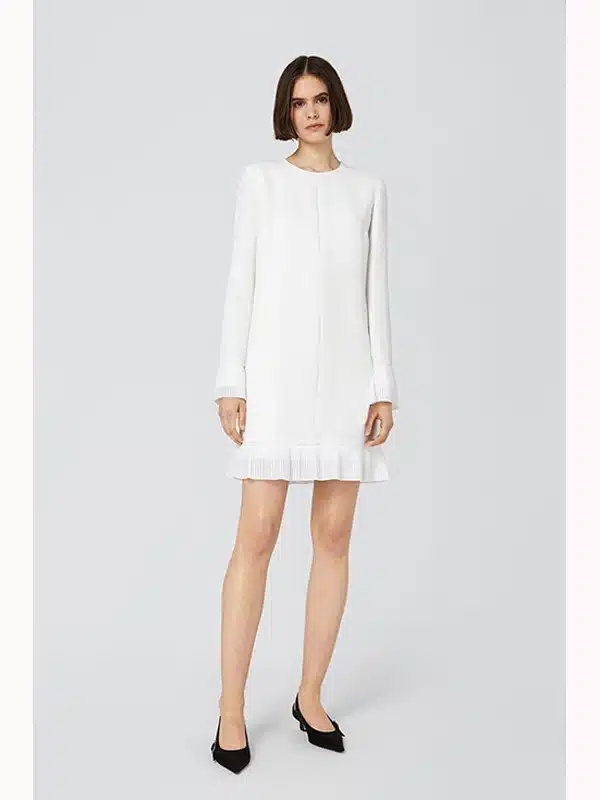
Open any woman's closet and there's a good chance a round neck dress is hiding in there somewhere, worn soft from washing, still the first thing pulled out on a morning when nothing else feels right. Funny thing is, most people couldn't tell you the neckline has a name.
I got interested in this particular style years ago, sitting in on fittings with a tailor who'd spend twenty minutes just adjusting a neckline curve by a few millimeters. At the time it seemed excessive. Now I get it. That small curve is doing more work than almost any other design choice in a dress.
So here's what I actually know about the round neck dress, not the recycled "top 10 styling tips" version, but the stuff that comes from watching fittings, hearing client complaints, and occasionally getting it wrong myself before figuring out why.
What Actually Counts as a Round Neck Dress
A round neck dress has a neckline that curves in a smooth circle around the base of the neck, sitting near the collarbone without dipping into a point or a wide scoop. People also call it a crew neck or jewel neck, and honestly the lines between those names get blurry depending on who you ask.
What sets it apart from a V-neck is obvious enough, no point drawing the eye downward. Less obvious is the difference from a scoop neck, which is wider and sits lower. A round neck stays close to the neck and keeps things fairly modest, which is exactly why it shows up so often in workwear.
Round Neck vs Crew Neck vs Scoop Neck | What's the Real Difference?
People mix these up constantly, and I don't blame them.
Crew neck: higher, tighter, often finished with ribbing, think t-shirt collar. Scoop neck: wider, dips lower, shows more collarbone and upper chest. Round neck: sits somewhere in between, close enough to look tidy, loose enough to be comfortable.
If you're ever having a dress custom made, this distinction isn't just semantics. A tailor cutting a pattern needs to know exactly which one you mean, because half an inch of curve depth changes how the whole dress sits on your body.
Where Did This Neckline Even Come From?
Nothing glamorous, honestly, circular necklines were just easier to cut and sew by hand than shaped ones, which is a big reason they turn up across so many cultures historically, from simple tunics to early Western dress patterns.
Chanel gets a lot of credit for popularizing the clean round neckline in modern fashion, favoring it for its simplicity over fussier shapes. That preference for clean lines over decoration is basically why the style never really left.
Why It Flatters Almost Everyone (And I Mean Almost Everyone)
Most necklines are a trade-off. A deep V elongates the neck but can feel exposing. A boat neck broadens the shoulders, which is great for some frames and not for others. The round neck is one of the rare ones that doesn't really punish anybody.
It doesn't stretch the eye in any one direction. It just sits there, framing the face, letting everything else, the cut, the fabric, the color, do the talking.
Is a Round Neck Good for a Petite Frame?
Yes, more reliably than a turtleneck or a wide boat neck, in my experience. Sitting close to the collarbone, it avoids adding bulk near the shoulders, so the whole look stays lean rather than swamped.
Pair it with something fit-and-flare or slightly cropped and you avoid the "drowning in fabric" problem that a lot of petite shoppers complain about.
What About a Fuller Bust or Broader Shoulders?
Still works, but the depth of the curve starts to matter more here. A slightly relaxed round neck, a bit deeper than the standard cut, softens things across a fuller bust without the gaping you sometimes get from a scoop.
For broader shoulders, it skips the horizontal emphasis you'd get from an off-shoulder or boat neck cut. Tailors tend to recommend it as the safer default for exactly this reason.
Fabric Matters More Than People Think
This is the part almost nobody talks about, and it's the difference between a dress that looks expensive and one that looks like it came from a clearance rack.
A stiff or flimsy fabric flattens a round neckline out completely. It needs some body to it, enough structure to hold the curve, but enough give that it doesn't sit rigid against the skin.
Which Fabrics Actually Hold the Shape?
| Fabric | How it drapes | Works best for |
|---|---|---|
| Cotton blend | Structured, breathable | Daywear, work dresses |
| Crepe | Fluid, holds a curve well | Evening or formal pieces |
| Ponte knit | Stretchy, springs back | Fitted, body-skimming cuts |
| Silk / silk-blend | Soft, luxe drape | Occasion wear |
| Linen | Relaxed, a bit textured | Summer, casual dresses |
A round neckline cut from crepe or ponte will still look sharp after a full day of wear. Cheap polyester, on the other hand, tends to stretch out and go limp by the afternoon, not exactly a secret, but it's the sort of thing you only really notice after you've owned both.
How Should the Neckline Actually Sit?
Close enough to lie flat against the collarbone, but not so tight it pulls when you sit or reach. The old tailor's trick still holds up, you should be able to slide two fingers comfortably under the neckline while standing normally.
If a dress is being made for you specifically, this is exactly the kind of thing a good fitting session catches. It's nearly impossible to fix after the fact with standard retail sizing.
Styling It Without Overthinking It
One thing I genuinely appreciate about the round neck dress: it doesn't compete with jewelry or layering the way a plunging or asymmetric neckline does. You have a lot more room to play.
How Do You Take It From Day to Evening?
Statement earrings do most of the heavy lifting here, since the open collarbone acts like a frame. Swap flats for heels, add a structured clutch, and you've moved from "ran errands" to "dinner reservation" without touching the dress itself.
A tailored blazer or a thin shawl draped over the shoulders also works for semi-formal events, the neckline sits low enough to peek through nicely without clashing.
What About Office or Everyday Wear?
Cardigan or blazer on top, loafers or low block heels below. That's basically it. The clean neckline already reads as put-together, so you don't need to layer on much else, which, honestly, is why so many people default to this style on busy mornings.
A thin belt helps if the cut runs loose, particularly with shift or A-line silhouettes.
Which Necklaces Actually Work Here?
Short pendants and choker-length pieces tend to look better than long, layered chains, which can get lost against a round neckline or tangle when you move. Collar-style statement necklaces are having a real moment right now, and they pair with this neckline almost too perfectly.
Why We Push People Toward Custom Made Round Neck Dresses
I'll just say this plainly, off-the-rack round neck dresses rarely fit right, because they're built off averaged measurements, not your actual body. And a neckline this specific doesn't forgive averaging.
The two complaints I hear most often are necklines that gape when someone bends forward, and shoulder seams that sit in the wrong place entirely. Both are fixable, but only with a proper fitting, not with alterations tacked on after the fact.
What Does the Custom Ordering Process Actually Look Like?
- Measurements first. Bust, shoulder width, and neckline depth matter most for this particular style.
- Fabric selection. Cotton, crepe, silk, or ponte, chosen based on the occasion and season.
- Neckline depth check. A good dressmaker confirms the curve before cutting fabric, not after.
- First fitting. Adjustments to shoulder seams, neckline gape, overall shape.
- Final fitting and delivery. A dress built around your actual proportions instead of a size chart someone else decided for you.
If you've ever tried on a dress that almost worked, tight through the shoulders, gapping at the neck, just slightly off in a way you couldn't quite name, this is really the fastest fix. We build round neck dresses from scratch around your measurements, your fabric choice, and whatever occasion you're dressing for, so you're not settling for "close enough" just to get the neckline you actually wanted.
Does Custom Cost More Than Buying Retail?
Not necessarily, and this surprises most people the first time they price it out. Factor in the alterations most retail dresses need anyway, taking in the shoulders, fixing a gaping neckline, hemming the length, and custom often lands in a similar range, minus the guesswork.
Mistakes I See People Make Over and Over
A handful of the same mistakes keep coming up, across countless fittings and returns I've watched happen.
Buying off a flat-lay photo instead of trying the dress on, or getting real measurements taken for a custom piece. Two dresses can look identical in a product photo and fit completely differently once they're actually on a body.
Ignoring shoulder seam placement is another big one. If that seam lands even slightly past your natural shoulder point, the whole dress pulls or bunches no matter how nice the fabric is.
And picking fabric purely on how the print looks rather than how it drapes. A beautiful pattern in the wrong weight can turn a round neckline stiff and awkward after one wash.
Where This Leaves You
The round neck dress earns its reputation honestly. It flatters more body types than most other necklines, adapts to nearly any occasion, and gives you a clean base to dress up or down depending on the day.
If you've been settling for "close enough" from retail sizing, it's worth trying a custom made round neck dress at least once. Once you feel what a properly fitted neckline and shoulder seam actually feels like, going back to guessing your size off a chart gets hard.
Start with your measurements, pick a fabric that actually suits the occasion, and find a dressmaker who understands that a round neckline is a lot more than a circle traced around a neck. Done properly, it's one of the quieter, more dependable pieces you'll ever own.
Frequently Asked Questions
What is a round neck dress best suited for? Pretty much anything, office wear, casual days out, even formal events, depending on the fabric and how you style it.
Does a round neck dress suit all body shapes? Yes, more reliably than most necklines, since it balances proportions instead of exaggerating them in one direction.
What's the difference between a round neck and a crew neck dress? A crew neck sits higher and tighter, often with ribbed edging. A round neck sits a touch looser and lower along the collarbone.
Can a round neck dress be custom made to fit my measurements? Yes, and it's usually the most reliable way to avoid a gaping neckline or shoulder seams that sit in the wrong place.
What fabric works best for a round neck dress? Crepe, ponte knit, and cotton blends hold the shape well. Silk suits occasion wear; linen is better for casual, warm-weather styles.
How should a round neck dress actually fit around the neckline? Flat against the collarbone, no gapping, with just enough room to slide two fingers underneath comfortably.
Is a custom made dress more expensive than buying off the rack? Not always. Once you factor in the alterations most retail dresses need anyway, custom pricing often ends up comparable.
Sponsorluk
Kategoriler
- Core Faith & Theology
- Christian Lifestyle & Practical Living
- Community & Church Life
- Creative & Inspirational Content
- Cultural Engagement & Outreach
- Practical Ministry & Resources
- Niche & Specialized Blogs
- Seasonal & Themed Content
- Interactive & Community-Driven Content
- Humor & Relatable Content
- Other
Read More
According to the latest report published by Data Bridge Market Research, the Occipital Neuralgia Treatment Market CAGR Value The global occipital neuralgia treatment market size was valued at USD 2.90 billion in 2024 and is expected to reach USD 4.72 billion by 2032, at a CAGR of6.30% during the forecast period The large scale Occipital...

According to the latest report published by Data Bridge Market Research, the Personalized Gut Health Nutrition Market CAGR Value The global Personalized Gut Health Nutrition market size was valued at USD 5.97 billion in 2025 and is expected to reach USD 17.69 billion by 2033, at a CAGR of 14.55% during the forecast period This...
According to the latest report published by Data Bridge Market Research, the Freeze Drying Market CAGR Value The global freeze drying market size was valued at USD 2.10 billion in 2024 and is expected to reach USD 3.95 billion by 2032, at a CAGR of 8.20% during the forecast period Market definition mentioned in this Freeze Drying...
" According to the latest report published by Data Bridge Market Research, the Emotion Analytics Market The Emotion Analytics Market was valued at USD 5.34 billion in 2025 and is projected to reach USD 18.08 billion by 2033, growing at a CAGR of 16.47% from 2026 to 2033. The market is experiencing rapid growth driven by increasing adoption of artificial intelligence and machine...
Az online kaszinók jövőbeli gamifikációs stratégiái és a játékosok motivációinak átalakulása 2026-ban Az online kaszinók világában https://hitnspin.com/hu/mobile-application a gamifikáció és a játékosok motivációja kulcsszerepet...

