


Спонсоры
The Everlasting Legacy of Seiko: How a Humble Tokyo Shop Shaped Modern Horology
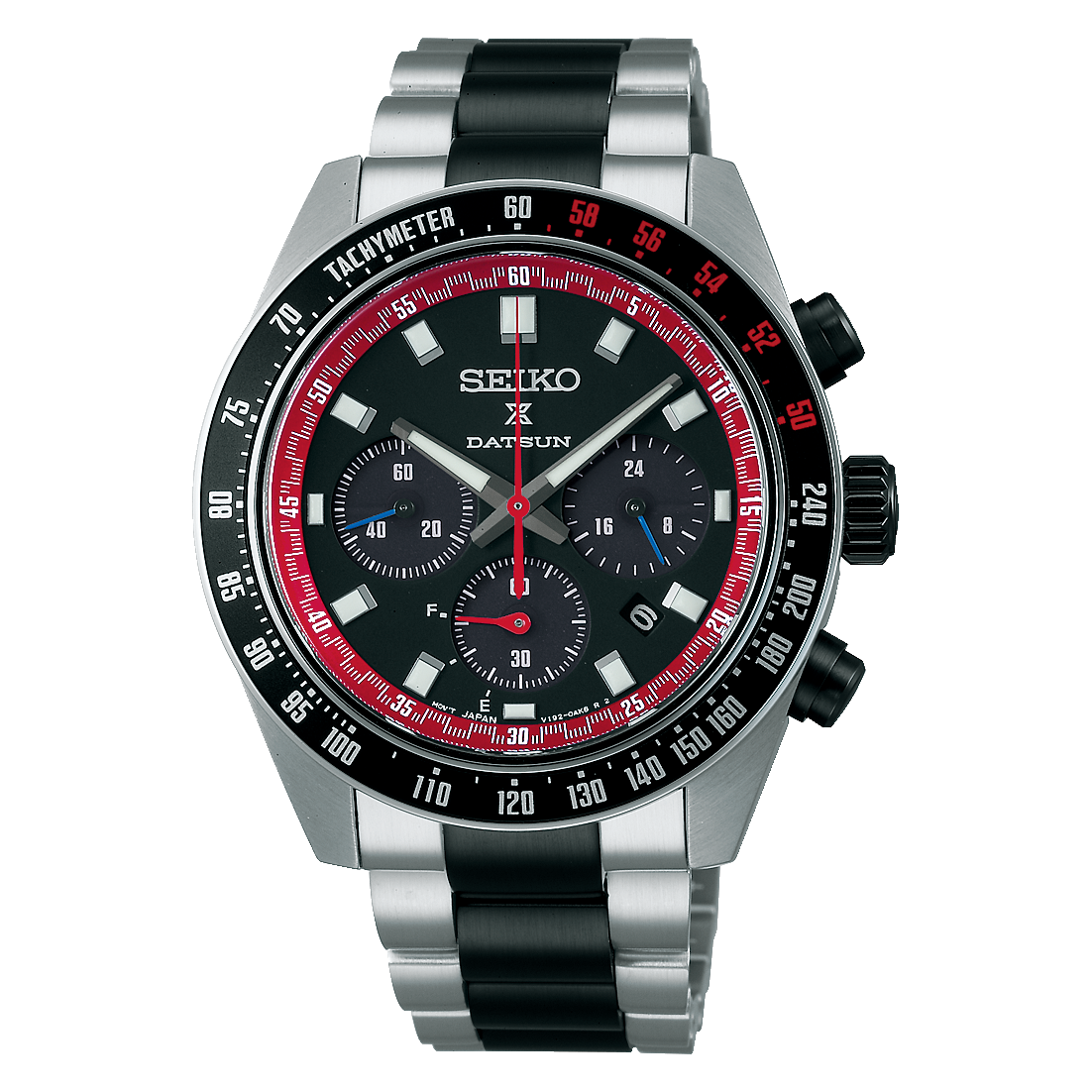
In the vast landscape of watchmaking, very few brands can claim to be entirely vertically integrated. From growing their own quartz crystals to developing proprietary alloys, lubricants, and state-of-the-art escape wheels, Seiko Watch occupies a unique tier in horological history. It is a brand that stretches gracefully across the entire price spectrum—offering ultra-reliable entry-level automatics for under $300, while simultaneously engineering mechanical masterpieces that rival Swiss haute horology.
To understand Seiko is to understand the history of modern timekeeping. It is a story of meticulous Japanese craftsmanship, groundbreaking industrial design, and an unrelenting pursuit of precision.
The Birth of a Giant: From Kintaro Hattori to the Quartz Crisis
The Seiko story began in 1881 in Tokyo, Japan, when a 21-year-old entrepreneur named Kintaro Hattori opened a small shop selling and repairing clocks. Hattori was driven by a simple yet ambitious philosophy: "Always one step ahead of the rest."
By 1892, Hattori began manufacturing his own wall clocks under the name Seikosha (meaning "House of Exquisite Workmanship"). This manufacturing foundation paved the way for Japan’s very first wristwatch, the Laurel, in 1913. When a devastating earthquake leveled the Seikosha factory in 1923, Hattori rebuilt immediately, officially launching the "Seiko" brand name on a wristwatch in 1924.
Seiko’s history is defined by several monumental milestones that forever changed how the world tells time:
-
The Magic Lever (1959): An ingenious, elegantly simple pawl-lever winding system that dramatically increased the winding efficiency of automatic watches using the rotor's movement in both directions.
-
The Quartz Astron (1969): The world's first quartz wristwatch. By replacing the traditional balance wheel with a tuning-fork-shaped quartz crystal oscillating at 32,768 Hz, Seiko achieved an accuracy of plus/minus 5 seconds per month—sending shockwaves through the Swiss watch industry and democratizing precise timekeeping.
-
The Spring Drive (1999): A revolutionary, entirely unique movement category. It combines the mainspring power of a mechanical watch with the high-precision electronic regulation of quartz, resulting in a perfectly smooth, continuous gliding second hand. seiko-watchs.co.uk
Navigating the Modern Seiko Catalog
Today, Seiko structures its diverse catalog into clear sub-brands, each built to appeal to different aspects of everyday lifestyle, formal elegance, and rugged adventure.
1. Seiko 5 Sports: The Gateway to Automatics
For generations of watch collectors, the Seiko 5 collection has served as the ultimate gateway drug into mechanical watchmaking. Originally built on five core principles—automatic winding, day-date display, water resistance, a recessed crown at 4 o'clock, and a durable case—the modern Seiko 5 Sports line preserves that rugged spirit.
Whether you prefer the versatile 38mm field designs or the wildly popular GMT variants powered by the robust caliber 4R34, these watches punch far above their weight class in build quality and everyday charm.
2. Prospex: Built for the Extremes
An abbreviation of "Professional Specifications," the Prospex line represents Seiko’s highest tier of rugged tool watches. This series is divided into Sea, Land, and Air, with the diving "Sea" models carrying legendary status.
From cushion-cased classic divers to advanced solar-powered chronographs like the Speedtimer, Prospex models are over-engineered with ultra-legible LumiBrite dials, scratch-resistant sapphire glass, and robust ISO-compliant dive ratings.
3. Presage: Artistry in Motion
Where Prospex is rugged and utilitarian, Presage is elegant, artistic, and deeply rooted in Japanese culture. This collection highlights Japan's famous artistic traditions, featuring hand-crafted enamel, Urushi lacquer, and Shippo enamel dials.
The most famous subset of this line is the Cocktail Time series. Inspired by the glamorous atmosphere of Tokyo's cocktail lounges, these watches feature deeply textured sunburst dials that mimic liquid inside a glass, catching light at every angle.
4. King Seiko: Mid-Century Design Refined
Originally born in the 1960s as an internal rival to the Grand Seiko division, King Seiko was revived to celebrate sharp, angular, mid-century geometry. Featuring highly polished, faceted lugs and beautifully finished bracelets, King Seiko represents a masterclass in vintage-inspired dress watches for the modern collector.
The Philosophy of Value and Craftsmanship
The core appeal of a Seiko watch rests in its unapologetic focus on real-world value. In a landscape where many luxury brands source components from external third-party suppliers, Seiko maintains absolute control over its production pipeline.
If you buy a Seiko, you are wearing an in-house movement. The mainspring, hairspring, balance wheel, and dial are all designed, manufactured, and hand-finished in Japan. It is this deep-rooted mechanical integrity, combined with accessible pricing, that has earned the brand its fiercely loyal global following.
Seiko watches are built to be worn, collected, and passed down through generations. They are the perfect embodiment of Japanese precision: humble, brilliantly designed, and ready to stand the test of time.
Спонсоры
Категории
- Core Faith & Theology
- Christian Lifestyle & Practical Living
- Community & Church Life
- Creative & Inspirational Content
- Cultural Engagement & Outreach
- Practical Ministry & Resources
- Niche & Specialized Blogs
- Seasonal & Themed Content
- Interactive & Community-Driven Content
- Humor & Relatable Content
- Другое
Больше
According to the latest report published by Data Bridge Market Research, the Thermal Management Market CAGR Value Thermal Management Marketing report makes available state-of-the-art information about the entire market along with the holistic view of the market. One of the greatest and quickest ways to collect information for the business in this fast-paced industry is market...

In today’s evolving healthcare landscape, administrative accuracy and financial transparency play a critical role in ensuring smooth patient experiences. One of the most essential components of this system is the billing process that connects healthcare providers, insurance systems, and patients in a structured workflow. Efficient management of this process helps reduce errors, improve...

"Middle East and Africa Concrete Repair Mortars Market Summary: According to the latest report published by Data Bridge Market Research, the Middle East and Africa Concrete Repair Mortars Market The Middle East and Africa concrete repair mortars market size was valued at USD 160.72 million in 2025 and is expected to reach USD 230.32 million by 2033, at a CAGR...
In today's competitive retail landscape, packaging has become much more than a protective layer around products. Across the UK, businesses are investing in custom packaging solutions that help strengthen brand identity, improve customer experiences, and support sustainable business practices. From fashion retailers to luxury candle makers, custom packaging boxes are playing a major role in how...

According to the latest report published by Data Bridge Market Research, the Lupus Therapeutic Market CAGR Value Global lupus therapeutic market size was valued at USD 3.32 billion in 2024 and is projected to reach USD 6.67 billion by 2032, with a CAGR of 9.10% during the forecast period of 2025 to 2032. Global Lupus Therapeutic Market document gives important, thoughtful and...
