


Sponsor
Automotive & Transportation Trends Explained
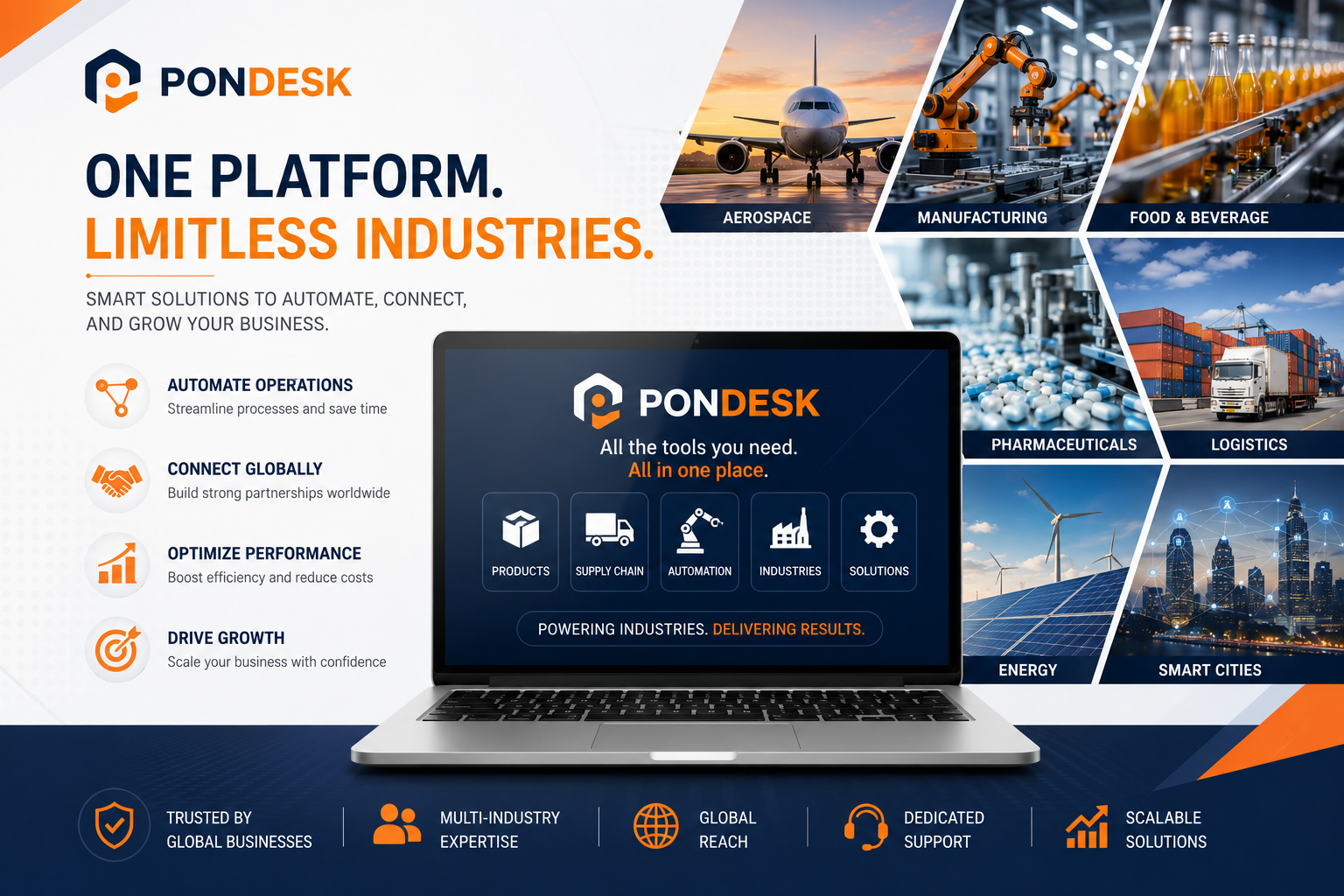
The automotive and transportation industry is changing faster than ever. New technologies, stricter environmental regulations, and shifting customer expectations are reshaping how vehicles are designed, manufactured, and operated. Businesses are investing in smarter systems, cleaner energy, and digital solutions to improve efficiency while reducing costs. Governments around the world are also supporting sustainable mobility through infrastructure upgrades and policy changes.
As these developments continue, companies that understand Automotive & Transportation trends are better prepared to adapt, remain competitive, and meet future market demands.
Understanding Automotive & Transportation
Automotive & Transportation refers to the industries involved in designing, manufacturing, maintaining, and operating vehicles and transportation systems. This includes passenger cars, commercial trucks, buses, motorcycles, rail networks, shipping, aviation, and logistics services.
The industry supports global trade, economic growth, and everyday mobility. According to the International Energy Agency (IEA), transportation accounts for nearly one-quarter of global energy-related carbon dioxide emissions, making innovation in this sector an important priority for governments and manufacturers.
Key Automotive & Transportation Trends
Several important trends are shaping the future of the industry.
Growth of Electric Vehicles
Electric vehicles (EVs) continue to gain market share across many countries. Improvements in battery technology have increased driving range while reducing charging times. Governments are also encouraging EV adoption through tax incentives, charging infrastructure, and emissions regulations.
Many leading manufacturers have announced plans to expand their electric vehicle production over the next decade. As battery costs continue to decline, EVs are becoming more accessible to businesses and consumers.
Connected Vehicles
Modern vehicles are becoming increasingly connected through internet-enabled systems. These technologies provide real-time navigation, predictive maintenance alerts, remote diagnostics, and software updates.
Connected vehicles improve driver convenience while helping fleet operators monitor vehicle performance, fuel consumption, and maintenance schedules more effectively.
Artificial Intelligence in Transportation
Artificial intelligence is playing a growing role in transportation. AI supports driver assistance systems, route optimization, predictive maintenance, traffic management, and autonomous vehicle development.
Fleet operators use AI to reduce downtime by identifying maintenance needs before equipment failures occur. Logistics companies also use AI to optimize delivery routes, reducing fuel consumption and improving operational efficiency.
Smart Manufacturing
Vehicle production is becoming more automated through robotics, machine learning, and digital monitoring systems. Smart factories improve production accuracy, reduce waste, and increase manufacturing efficiency.
Digital twins are also becoming more common, allowing manufacturers to simulate production processes before physical implementation.
Sustainability and Environmental Responsibility
Environmental sustainability has become one of the industry's primary goals. Manufacturers are reducing emissions by investing in electric vehicles, hydrogen fuel technologies, lightweight materials, and recyclable components.
Many automotive companies are also improving factory operations by increasing renewable energy usage and reducing manufacturing waste.
Consumers are increasingly considering environmental impact when purchasing vehicles, encouraging companies to prioritize sustainable product development.
Digital Transformation Across the Industry
Digital technologies are changing nearly every part of transportation operations.
Cloud computing enables companies to store and analyze vehicle data more efficiently.
Internet of Things (IoT) sensors monitor vehicle health in real time.
Big data analytics help businesses understand customer behavior and improve operational planning.
Blockchain technology is also being explored for secure supply chain management and transparent parts tracking.
Digital transformation allows businesses to make faster decisions while improving customer service and operational efficiency.
Supply Chain Challenges and Solutions
Global supply chains continue to face disruptions caused by material shortages, geopolitical events, and changing demand patterns.
Manufacturers are responding by diversifying suppliers, increasing inventory visibility, and investing in local production facilities where possible.
Businesses are also using predictive analytics to forecast demand and reduce supply chain risks before disruptions occur.
Reliable industrial partners such as Pondesk Trusted Industrial Solutions help manufacturers and transportation companies improve operational efficiency by supporting industrial equipment, infrastructure, and long-term maintenance requirements.
Safety and Regulatory Developments
Safety remains a top priority throughout the automotive and transportation sector.
Advanced Driver Assistance Systems (ADAS) now include features such as automatic emergency braking, lane-keeping assistance, adaptive cruise control, and blind-spot monitoring.
Governments continue introducing stricter vehicle safety standards and emissions regulations. Manufacturers must comply with these requirements while maintaining affordability and product quality.
Continuous software updates also improve vehicle security by protecting connected systems from emerging cybersecurity risks.
Future Opportunities for Businesses
Companies that embrace innovation can benefit from several emerging opportunities.
Electric commercial fleets are reducing fuel and maintenance costs.
Autonomous delivery technologies continue to evolve for controlled environments.
Hydrogen-powered transportation is receiving increased investment for heavy-duty applications.
Shared mobility services are expanding in urban areas where transportation efficiency is essential.
Organizations investing in research, digital technologies, and workforce development are better positioned for long-term growth.
Why Businesses Should Follow Automotive & Transportation Trends
Understanding industry developments helps organizations make informed investment decisions, improve operational performance, and prepare for regulatory changes.
Businesses that monitor market trends can identify new revenue opportunities, improve customer satisfaction, reduce operating costs, and strengthen long-term competitiveness.
As technology continues advancing, Automotive & Transportation will remain one of the world's most innovative industries, influencing manufacturing, logistics, sustainability, and global mobility for years to come.
Conclusion
The automotive and transportation industry continues to evolve through innovation, sustainability, digital transformation, and smarter mobility solutions. Businesses that stay informed about market developments are better equipped to respond to changing customer expectations and regulatory requirements.
By following current Automotive & Transportation trends and adopting practical technologies, organizations can improve efficiency, strengthen operations, and build a more sustainable future.
FAQs
1. What does Automotive & Transportation include?
It includes vehicle manufacturing, logistics, public transportation, aviation, shipping, railways, and related support industries.
2. Why are electric vehicles becoming more popular?
They produce lower emissions, reduce fuel costs, and are supported by government incentives and improved battery technology.
3. How does AI improve transportation?
AI helps optimize routes, predict maintenance, improve traffic management, and enhance vehicle safety systems.
4. What is a connected vehicle?
A connected vehicle uses internet-based technology to provide navigation, diagnostics, software updates, and communication with other systems.
5. Why is sustainability important in Automotive & Transportation?
Sustainability helps reduce emissions, conserve resources, meet environmental regulations, and support long-term business growth.
Sponsor
Categorii
- Core Faith & Theology
- Christian Lifestyle & Practical Living
- Community & Church Life
- Creative & Inspirational Content
- Cultural Engagement & Outreach
- Practical Ministry & Resources
- Niche & Specialized Blogs
- Seasonal & Themed Content
- Interactive & Community-Driven Content
- Humor & Relatable Content
- Alte
Citeste mai mult
" According to the latest report published by Data Bridge Market Research, the Atherectomy And Intravascular Lithotripsy (IVL) Devices Market The global atherectomy and intravascular lithotripsy (IVL) devices market size was valued at USD 900.76 million in 2024 and is expected to reach USD 1,434.60 million by 2032, at a CAGR of 5.99% during the forecast...

Starting a family is one of the most meaningful milestones in life. However, for many couples, the journey to parenthood is not always straightforward. Infertility can affect both men and women and often creates emotional, physical, and psychological challenges. Fortunately, modern medical advancements have made it possible for many individuals to overcome fertility issues and achieve their...

According to the latest report published by Data Bridge Market Research, the Legal Marijuana Market CAGR Value The global Legal Marijuana market was valued at USD 40.55 billion in 2024 and is expected to reach USD 186.35 billion by 2032 During the forecast period of 2025 to 2032 the market is likely to grow at a CAGR of 21.00%, primarily driven...
" According to the latest report published by Data Bridge Market Research, the Healthcare Integration Solutions Market The global Healthcare Integration Solutions market size was valued at USD 3.20 billion in 2025 and is expected to reach USD 7.48 billion by 2033, at a CAGR of 11.20% during the forecast periodThe market growth is largely fueled by the increasing adoption of...
Real estate has always been a high-value but relatively illiquid asset class. Property owners often face long holding periods, complex transaction processes, and limited access to global investors. At the same time, investors are increasingly seeking flexible, fractional, and transparent ways to access real estate markets. Real estate tokenization offers a bridge between these two needs by...

