Commandité
Could One Daily Habit Help Protect Your Vision for Years?
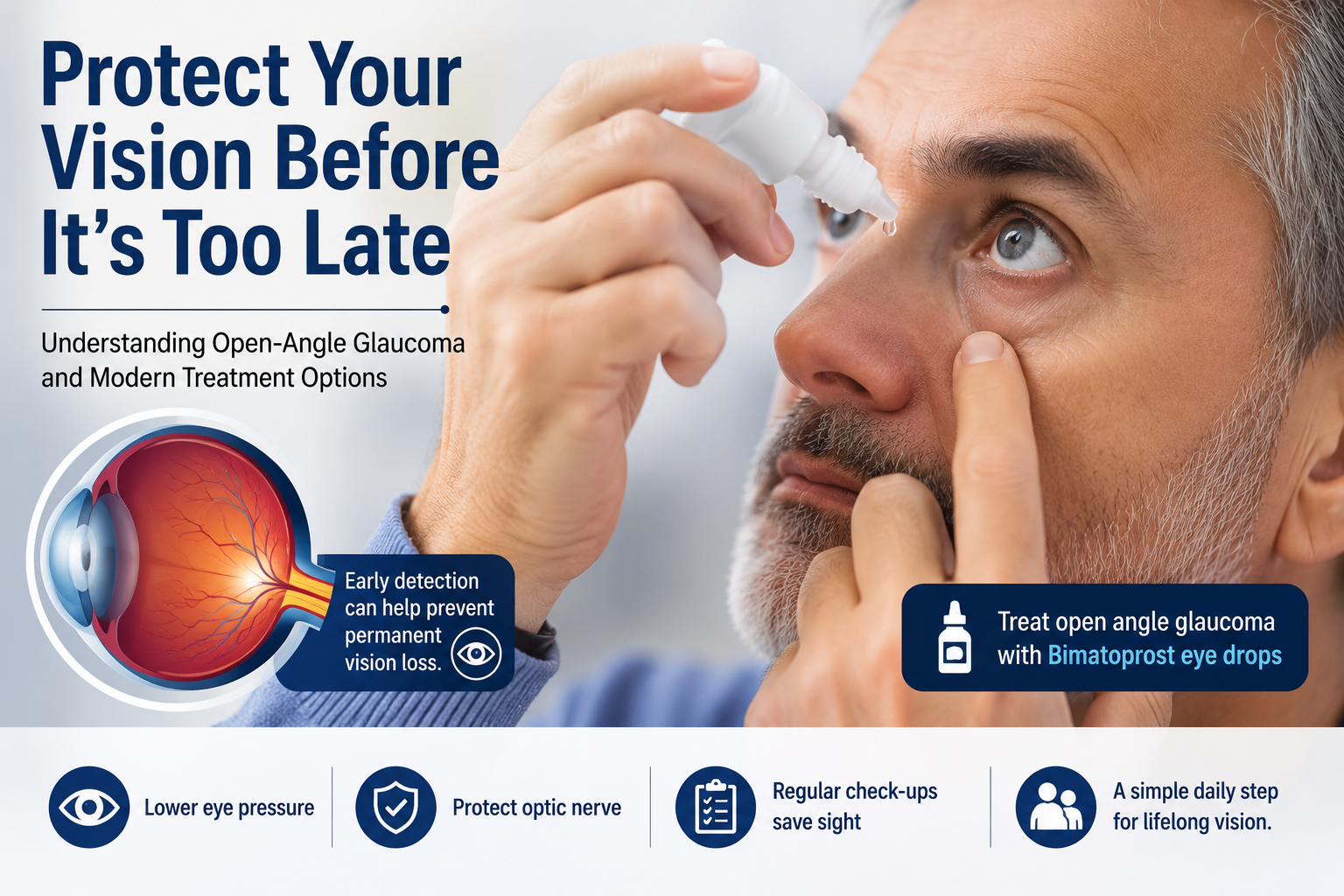
Could One Daily Habit Help Protect Your Vision for Years? Understanding Open-Angle Glaucoma and Modern Eye Care
Vision is something most people take for granted until it begins to change.
Many eye conditions announce themselves with obvious symptoms such as pain, redness, or blurred vision. Open-angle glaucoma is different. It often develops quietly, progressing over years without causing noticeable discomfort. By the time some people realize something is wrong, permanent vision loss may have already occurred.
This silent nature is what makes open-angle glaucoma one of the most important eye health concerns worldwide. Fortunately, advances in diagnosis, monitoring, and treatment have made it possible for many patients to manage the condition effectively and preserve their vision.
Understanding how glaucoma develops and what modern treatment approaches can offer is an important step toward protecting long-term eye health.
The Eye Condition That Often Goes Unnoticed
Open-angle glaucoma is the most common form of glaucoma.
The condition occurs when damage develops to the optic nerve, which is responsible for transmitting visual information from the eye to the brain. In many cases, this damage is associated with increased pressure inside the eye, although glaucoma can sometimes occur even when eye pressure appears normal.
What makes open-angle glaucoma particularly challenging is that it usually progresses slowly.
Most patients do not experience:
- Eye pain
- Sudden vision changes
- Noticeable irritation
- Immediate visual impairment
Instead, the condition gradually affects peripheral vision before moving toward central vision if left unmanaged.
Because the changes happen so slowly, many individuals adapt without realizing that their field of vision is narrowing.
Why Early Detection Matters More Than Most People Realize
Unlike some eye conditions that can be reversed, vision loss caused by glaucoma is generally permanent.
This is why routine eye examinations play such a critical role.
Early diagnosis allows healthcare professionals to:
- Monitor eye pressure
- Assess optic nerve health
- Track visual field changes
- Begin treatment before significant vision loss occurs
Many people discover they have glaucoma during a routine eye exam rather than because of symptoms.
In fact, regular screenings may be one of the most effective tools available for protecting vision over the long term.
Understanding Eye Pressure and Its Role
Inside the eye, a clear fluid is constantly produced and drained.
Under normal circumstances, the production and drainage of this fluid remain balanced, helping maintain healthy pressure levels.
Problems can arise when drainage becomes less efficient.
As fluid accumulates, pressure within the eye may increase. Over time, elevated pressure can place stress on the optic nerve and contribute to progressive damage.
Although eye pressure is not the only factor involved in glaucoma, lowering pressure remains one of the primary goals of treatment because it can help reduce the risk of further optic nerve damage.
Who Faces a Higher Risk?
Open-angle glaucoma can affect many different people, but certain factors may increase the risk.
These include:
- Advancing age
- Family history of glaucoma
- Elevated eye pressure
- Diabetes
- High blood pressure
- Severe nearsightedness
- Long-term use of certain steroid medications
Having one or more risk factors does not guarantee that someone will develop glaucoma.
However, it does highlight the importance of regular eye care and professional monitoring.
Looking Beyond Symptoms
One of the most dangerous misconceptions about glaucoma is the belief that healthy vision automatically means healthy eyes.
Many individuals with early-stage glaucoma continue seeing clearly.
This creates a false sense of security.
A person may:
- Read normally
- Drive comfortably
- Use digital devices without difficulty
While subtle optic nerve damage continues progressing in the background.
This is one reason eye care professionals emphasize preventive examinations even when no symptoms are present.
Modern Treatment Strategies Focus on Preservation
The primary objective of glaucoma treatment is not to restore vision that has already been lost.
Instead, treatment aims to:
- Slow disease progression
- Lower eye pressure
- Protect remaining vision
- Support long-term eye health
Modern glaucoma management often involves a combination of monitoring and medication, with treatment plans tailored to each individual's needs.
The earlier the intervention begins, the greater the opportunity to preserve vision.
Why Eye Drops Remain a Cornerstone of Treatment
For many patients, prescription eye drops are among the first treatment options recommended.
These medications help reduce pressure within the eye through different mechanisms, such as:
- Increasing fluid drainage
- Reducing fluid production
- Improving outflow pathways
Consistent use is important because glaucoma management is typically a long-term commitment rather than a short-term treatment process.
Even when symptoms are absent, continuing therapy as prescribed can play a major role in protecting vision.
A Closer Look at Bimatoprost in Glaucoma Care
Among the medications commonly discussed in glaucoma management is bimatoprost.
Healthcare professionals may prescribe bimatoprost to help lower intraocular pressure in appropriate patients. By improving fluid drainage from the eye, the medication can help reduce pressure levels that may contribute to optic nerve damage.
Many patients researching glaucoma treatment options encounter information about how to treat open-angle glaucoma with Bimatoprost eye drops as part of a broader conversation about pressure management and long-term vision preservation.
While treatment decisions should always be made with professional guidance, medications such as bimatoprost have become an important component of modern glaucoma care for many individuals.
The Challenge of Long-Term Adherence
Managing glaucoma successfully often depends on consistency.
Unlike conditions that improve after a short course of treatment, glaucoma usually requires ongoing attention.
Patients may sometimes struggle with:
- Forgetting doses
- Busy schedules
- Travel disruptions
Misunderstanding the importance of daily use
Because vision loss may progress silently, skipping treatment can feel harmless in the moment.
However, maintaining the prescribed regimen remains one of the most important aspects of protecting long-term visual function.
Lifestyle Habits That Support Eye Health
Medication is important, but overall health habits may also contribute to long-term wellness.
Eye care professionals often encourage patients to focus on:
Staying Active
Regular physical activity supports cardiovascular health, which may benefit circulation throughout the body, including the eyes.
Managing Chronic Conditions
Conditions such as diabetes and high blood pressure can affect overall eye health.
Working with healthcare providers to manage these issues may support broader wellness goals.
Attending Regular Follow-Up Appointments
Glaucoma management relies heavily on monitoring.
Routine evaluations help determine whether treatment is working effectively and whether adjustments may be necessary.
Following Professional Guidance
Every patient's situation is unique.
Treatment plans should be individualized based on professional assessment rather than assumptions or online information alone.
Technology Is Changing the Future of Glaucoma Care
Advances in eye care continue creating new opportunities for earlier detection and improved monitoring.
Modern diagnostic tools allow specialists to:
- Visualize optic nerve structures in greater detail
- Detect subtle changes earlier
- Track progression more accurately
- Customize treatment approaches
These innovations are helping clinicians identify risks sooner and intervene more effectively than in previous generations.
As technology continues evolving, glaucoma management is likely to become even more precise and personalized.
Why Awareness Can Be a Powerful Form of Prevention
Many people know they should have their blood pressure checked regularly.
Far fewer think about scheduling routine eye examinations when vision seems perfectly normal.
Yet glaucoma demonstrates why preventive eye care is so important.
Awareness encourages:
- Earlier screenings
- Better risk assessment
- Timely intervention
- Improved long-term outcomes
Sometimes the most important symptom is having no symptoms at all.
Recognizing that reality can motivate individuals to prioritize eye health before problems become noticeable.
Protecting Tomorrow's Vision Starts Today
Open-angle glaucoma may be a silent condition, but it does not have to be a hopeless one.
With regular eye examinations, early detection, consistent monitoring, and appropriate treatment, many patients are able to preserve their vision and maintain quality of life for years to come.
The key is not waiting for symptoms to appear.
Whether someone has risk factors, a family history of glaucoma, or simply wants to take a proactive approach to eye health, routine care remains one of the most valuable investments they can make.
When it comes to protecting sight, small actions taken today can have a lasting impact on the years ahead.
Commandité
Catégories
- Core Faith & Theology
- Christian Lifestyle & Practical Living
- Community & Church Life
- Creative & Inspirational Content
- Cultural Engagement & Outreach
- Practical Ministry & Resources
- Niche & Specialized Blogs
- Seasonal & Themed Content
- Interactive & Community-Driven Content
- Humor & Relatable Content
- Autre
Lire la suite
The global Electric Motorcycle market was valued at USD 7.9 billion in 2023, up from USD 6.8 billion in 2022, marking a YoY growth of 16.2%. Increasing urbanization, government incentives for zero-emission vehicles, and rising adoption of two-wheelers in emerging economies are fueling demand. The market is projected to reach USD 22.8 billion by 2032, expanding at a CAGR of 16.1% from 2024 to...

When it comes to building a home that truly reflects your lifestyle, personality, and preferences, working with a custom home designer can make all the difference. A custom home designer takes your ideas and turns them into functional, beautiful living spaces tailored specifically to you. Whether you are planning a family home, a luxury residence, or a sustainable living space, the advantages...

Hydropower Turbine Market Summary: According to the latest report published by Data Bridge Market Research, the Hydropower Turbine Market CAGR Value Global hydropower turbine market was valued at USD 1450.00 million in 2021 and is expected to reach USD 2805.48 million by 2029, registering a CAGR of 8.60% during the forecast period of 2022-2029. Hydropower Turbine...

"According to the latest report published by Data Bridge Market Research, the Titanium Oxide (TiO2) Market The global Titanium Oxide (TiO2) market size was valued at USD 3.20 billion in 2025 and is expected to reach USD 4.48 billion by 2033, at a CAGR of 4.30% during the forecast period An excellent Titanium Oxide (TiO2) Market research report is a...

Comparativa 2025: Los mejores casinos en línea para jugadores de alto riesgo El mundo de los casinos en línea ha evolucionado significativamente en los últimos años, especialmente para los jugadores de alto riesgo que buscan experiencias de juego emocionantes e innovadoras. A medida que nos adentramos en 2025, se vuelve fundamental evaluar y comparar los diferentes...